Physical Address
304 North Cardinal St.
Dorchester Center, MA 02124
Physical Address
304 North Cardinal St.
Dorchester Center, MA 02124

Water quality at home matters more than many people realize. Whether you’re concerned about chlorine taste, lead, or other common contaminants, a reliable filtration system can make a significant difference. The Waterdrop X8-WAN review you’re about to read takes a close look at one of the more talked-about reverse osmosis systems on the market. This article is written for homeowners, renters, and families looking for an under-sink filtration solution that combines high flow, tankless convenience, and added minerals—all while carrying important certifications.
The Waterdrop X8-WAN alkaline mineral tankless RO system promises 800 gallons per day (GPD) of filtered water with a 2:1 pure-to-drain ratio, 10-stage filtration, and a smart faucet. But does it deliver on its claims? In this Waterdrop X8-WAN review honest opinion, we break down the features, discuss real-world expectations, and weigh the pros and cons to help you decide whether this system is worth considering. If you’re ready to see the product details and current availability, you can check the Waterdrop X8-WAN on Amazon.
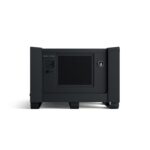
The Waterdrop X8-WAN (model WD-X8-WAN) is an under-sink, tankless reverse osmosis (RO) water filtration system designed to deliver high-capacity purified water while remineralizing it for taste and health. Unlike traditional RO systems that use a storage tank, this unit uses a tankless design to save space and reduce the risk of bacterial growth or leaks associated with pressurized tanks.
It is equipped with a 10-stage filtration process that includes a 0.0001-micron RO membrane and an alkaline mineral cartridge that adds calcium, magnesium, sodium, and potassium to the water. The system is NSF/ANSI 42, 58, and 372 certified, meaning it meets standards for chlorine reduction, reverse osmosis performance, and lead-free components, respectively.
Target users include families who want a continuous supply of clean, mineral-enriched drinking water without the bulk of a storage tank. It fits under most kitchen sinks and is marketed as a DIY installable unit that can be set up in about 30 minutes. For a structured overview of the Waterdrop X8-WAN review and rating, we’ll explore each component in the sections below.
The Waterdrop X8-WAN is packed with technical features. The following table summarizes the most important specifications and features as provided by the manufacturer.
| Feature | Details |
|---|---|
| Filtration Stages | 10-stage, including sediment, carbon block, RO membrane, and alkaline mineral filter |
| RO Membrane Pore Size | 0.0001 micron (16-layer RO membrane) |
| Flow Rate | 800 GPD (gallons per day) |
| Pure-to-Drain Ratio | 2:1 (2 parts purified water to 1 part waste water) |
| Certifications | NSF/ANSI 42 (chlorine reduction), NSF/ANSI 58 (reverse osmosis), NSF/ANSI 372 (lead-free) |
| Contaminant Reduction | PFOA, PFOS, chlorine, fluoride, lead, bad taste, odor, sediment, and more (per manufacturer claims) |
| Mineral Addition | Adds Ca²⁺, Mg²⁺, Na⁺, K⁺ |
| Tankless Design | Yes – reduces leak risk and saves under-sink space |
| Smart Faucet | Digital display showing TDS and filter life |
| Dimensions (L × W × H) | 18.2 × 6.25 × 16.72 inches |
| Weight | 16.03 kg (approx. 35.3 lb) |
| Power Source | Corded electric (requires outlet under sink) |
| Water Temperature Range | 41°F to 100°F |
| Maximum Inlet TDS | 500 ppm |
| BPA Free | Yes |
| Filter Life | RO membrane up to 24 months; pre-filters vary (typically 6–12 months) |
One standout feature is the 800 GPD flow rate, which is significantly higher than many standard tankless RO systems (commonly 400–600 GPD). This means the system can fill a glass in a few seconds without waiting for a tank to pressurize. The addition of alkaline minerals is designed to improve taste and provide water that is closer to natural spring water.
According to the manufacturer, the 10-stage filtration includes a durable RO membrane with 16 layers, and SGS testing confirms reduction of PFOA, PFOS, chlorine, and other common impurities. However, it is important to note that while NSF certifications cover specific claims, not every contaminant reduction is necessarily certified—the user should review the official NSF listing for full details.
When you purchase the Waterdrop X8-WAN, the package contains the following components:
Setup is designed to be straightforward. The unit measures approximately 18.2 × 6.25 × 16.72 inches, making it compact enough for most under-sink cabinets. Note that the system requires a power outlet under the sink for the electric pump that drives the tankless operation. The faucet installation requires a hole in the countertop (either an existing one or a new 1.5-inch hole). The manufacturer provides clear instructions, but users unfamiliar with plumbing may want to watch tutorial videos or consult a professional.
Before first use, read the entire manual. The installation involves connecting the cold water line, attaching the drain saddle, mounting the faucet, and plugging in the power. According to the manufacturer, the process takes about 30 minutes for most DIYers. The system includes quick-connect fittings for easy assembly. It is essential to flush the system according to the instructions (typically letting water run for 10–15 minutes) before drinking.
Once installed, the system operates automatically. The smart faucet displays the TDS (total dissolved solids) level in real-time and indicates filter life. The faucet itself is a pull-down style and allows you to dispense both room-temperature filtered water and, with some models, instant hot water? (Note: The X8-WAN does not include hot water – the standard faucet is for cold filtered water only.) The pump activates when the faucet is opened, and the system shuts off when closed. There is no storage tank, so water is filtered on demand.
Filter replacement is advertised as a twist-and-replace process taking about three seconds. The system has multiple filters: a sediment pre-filter, a carbon block, the RO membrane, and an alkaline post-filter. Typical replacement schedules (per manufacturer): pre-filters every 6–12 months, RO membrane every 24 months, alkaline filter every 12 months. The smart faucet will alert you when a filter is near the end of its life. It is advisable to replace filters on schedule to maintain water quality and flow rate.
Common issues may include low water flow, strange noises, or error codes on the faucet display. The manual provides a troubleshooting chart. For instance, if flow is low, check if pre-filters are clogged or if the water supply pressure is sufficient. The system requires a minimum of 14.5 psi and a maximum of 85 psi; it is not recommended for well water without additional pre-treatment. If the system leaks, check all connections. The manufacturer offers customer support for guidance.
The Waterdrop X8-WAN’s performance is largely defined by its 800 GPD flow rate and 2:1 pure-to-drain ratio. Flow rate is important: a standard 400 GPD tankless system fills a 12 oz glass in about 8–10 seconds; an 800 GPD system can do it in roughly 4–5 seconds. This is a practical improvement for busy kitchens.
The tankless design eliminates the need for a pressurized storage tank, which reduces the risk of bacterial growth if the tank sits for long periods. However, tankless RO systems generally have a pump that consumes electricity—approximately 30W during operation—so there is a small ongoing energy cost.
The addition of alkaline minerals is a point of differentiation. Some users prefer the taste of mineralized water to the flat taste of standard RO water. The mineral cartridge adds calcium, magnesium, sodium, and potassium. Sodium levels are typically low (around 20–30 mg/L), but individuals on low-sodium diets should check the output water composition.
According to the manufacturer, the system reduces a wide range of contaminants, including PFOA, PFOS, chlorine, fluoride, lead, and arsenic (based on SGS testing). However, independent third-party testing for all claims is not fully detailed in the product listing. The NSF certifications (42, 58, 372) provide assurance for chlorine taste/odor reduction, RO performance, and lead-free materials. For complete contaminant reduction lists, you can refer to the NSF official website for certified products.
In terms of real-world expectations, users with average water quality (<500 ppm TDS) should see consistent performance. In very high TDS water, the RO membrane may not last as long, and the flush ratio may increase slightly. The system includes an auto-flush feature that helps extend membrane life.
Potential limitations include the requirement for an electrical outlet under the sink—not all kitchens have one. Also, the faucet requires a 1.5-inch hole (standard for many faucets, but if you are replacing a smaller hole, you may need to drill). The system’s dimensions, while compact, still need about 18 inches of depth, which may not fit in every cabinet alongside other items like a garbage disposal.
The under-sink RO market is competitive. Here are two common alternatives to the Waterdrop X8-WAN, compared without specific pricing.
Traditional systems like the APEC ROES-50 use a pressurized storage tank. They are often less expensive upfront and do not require electricity. However, they typically have a lower flow rate (50–100 GPD) and larger footprint under the sink. The pure-to-drain ratio is often 1:1 to 1:3. They lack mineralization (unless you add an extra cartridge) and do not have a smart faucet. They are a reliable choice for budget-conscious buyers who have space for a tank.
The iSpring RCC7P-AK is a tankless RO system with a built-in pump and alkaline remineralization. It offers 500 GPD flow and a 1:1 drain ratio. It is similarly priced to the Waterdrop X8-WAN. The iSpring model also has NSF certification for some components but not for all stages. The Waterdrop X8-WAN offers higher flow (800 vs 500 GPD), a better drain ratio (2:1 vs 1:1), and a more advanced faucet display. However, iSpring has a longer track record and wider availability of replacement filters.
When comparing features, the Waterdrop X8-WAN appears to have an edge in flow rate and water efficiency, but the best choice depends on your specific under-sink dimensions, electricity availability, and preference for certifications.
The Waterdrop X8-WAN is available through online retailers. The primary source is Amazon, where the product has a storefront directly from Waterdrop. You can view the latest product listing, read more customer reviews, and check availability by clicking the button below. Always ensure you are purchasing from an authorized seller to receive genuine filters and warranty support.
The Waterdrop X8-WAN is a compelling product for those seeking a high-flow, tankless RO system with added minerals and solid certifications. Its 800 GPD flow rate and 2:1 pure-to-drain ratio place it among the more efficient systems in its class. The smart faucet provides useful feedback, and the twist-and-lock filter replacements simplify maintenance.
However, the system is not for everyone. The need for an electrical outlet, the requirement for a faucet hole, and the depth of the unit are practical barriers. Additionally, while the alkaline mineral addition is a nice touch, individuals monitoring sodium intake should check the output water’s mineral content.
Overall, this Waterdrop X8-WAN review verdict is positive for the right user. If your kitchen accommodates the physical and electrical requirements, and you value continuous pure water with a good taste, the X8-WAN is worth serious consideration. For more context, you can read our full Waterdrop X8-WAN review and rating for additional insights. We also have a guide to the best tankless RO systems that compares this model with others.
If you found this review helpful, sign up for our free newsletter to receive updates on new product reviews, water quality tips, and exclusive deals. No spam, ever.
This article contains affiliate links. As an Amazon Associate I earn from qualifying purchases. This means if you click on a link and buy a product, I may receive a small commission at no extra cost to you. I only recommend products I have researched and believe in. Thank you for supporting our content.